


Texas-approved pathways
Our gamified course is embedded in the Texas Education Agency-approved Foundations of UX and Advanced UX pathways, a milestone for human-centred design in schools.
Impact
Digital Influx has supported 3,000+ learners, growing through curriculum approval, school delivery, corporate sponsorship, university partnerships and international recognition.
GEMS Wellington International School in Dubai is the first school to adopt our programme. Students explore responsible AI, human versus synthetic experience, human-centred research, storytelling and SDG design missions within the school timetable.

Now in a GEMS school in the UAE
Students and teachers are exploring responsible AI, human versus synthetic experience, original storytelling, UX research and design missions within a real school timetable.
Gallery, by activity

Storytelling

Classroom activity

Student work

Teacher delivery
Our gamified course is embedded in the Texas Education Agency-approved Foundations of UX and Advanced UX pathways, a milestone for human-centred design in schools.

Digital Influx was selected for international recognition for its gamified approach to teaching UX and human-centred problem-solving, incorporating Social Emotional Learning and aligned with the UN SDGs.
Digital Influx on HundrED
Digital Influx has supported the Mayor of London's drive to upskill Londoners in digital skills. With Westminster Kingsway College, we deliver UX and AI courses to adult learners across London.
PepsiCo sponsorship in New York helped widen access to design education and demonstrated how corporate support can connect opportunity, education and future skills.
Research and evidence
AI can improve access, explanation, creativity and learning. It can also remove the effort through which understanding, memory and judgement develop. The emerging question for schools is therefore not “AI or no AI?” It is:
How should learning be designed so that AI extends student thinking without replacing it?
Anthropic interviewed 80,508 active AI users across 159 countries and 70 languages. The study found learning benefits and cognitive concerns occurring side by side: 33% discussed benefits for learning, while 17% raised cognitive atrophy as a concern. Student respondents frequently described both sides of the tension.
Source type: Large qualitative study of active Claude users; not a representative student sample.
What 81,000 people want from AIThe University of Technology Sydney report Artificial intelligence, cognitive offloading and implications for education argues that AI can deepen learning, but that unstructured use risks replacing cognitive activity. Its central implication is that the outcome depends on pedagogy, task design and the way AI enters the learning process.
Source type: University research report and evidence review.
UTS reportA 2025 study of 666 participants found a strong association between more frequent AI-tool use and lower critical-thinking scores, with cognitive offloading identified as an important mediating factor. Younger participants reported greater dependence on AI tools. Because the study is correlational, this is an association, not proof that AI directly caused the difference.
Source type: Peer-reviewed correlational study.
AI Tools in SocietyCognitive offloading is not new or inherently harmful. People use actions and external tools to reduce cognitive demand. The educational issue is whether a tool supports continued thinking or removes the cognitive process the learner needs to perform.
Source type: Foundational peer-reviewed review.
Cognitive OffloadingStudent attempt first
Require recall, reasoning or an initial idea before AI enters.
AI as support
Use AI for feedback, challenge, explanation or extension rather than default answer production.
Make decisions visible
Ask students to show what AI changed and explain what they accepted or rejected.
Assess the process
Consider research, reasoning, iteration and reflection alongside the final output.
Keep responsibility human
Students remain accountable for evidence, ethics and final decisions.
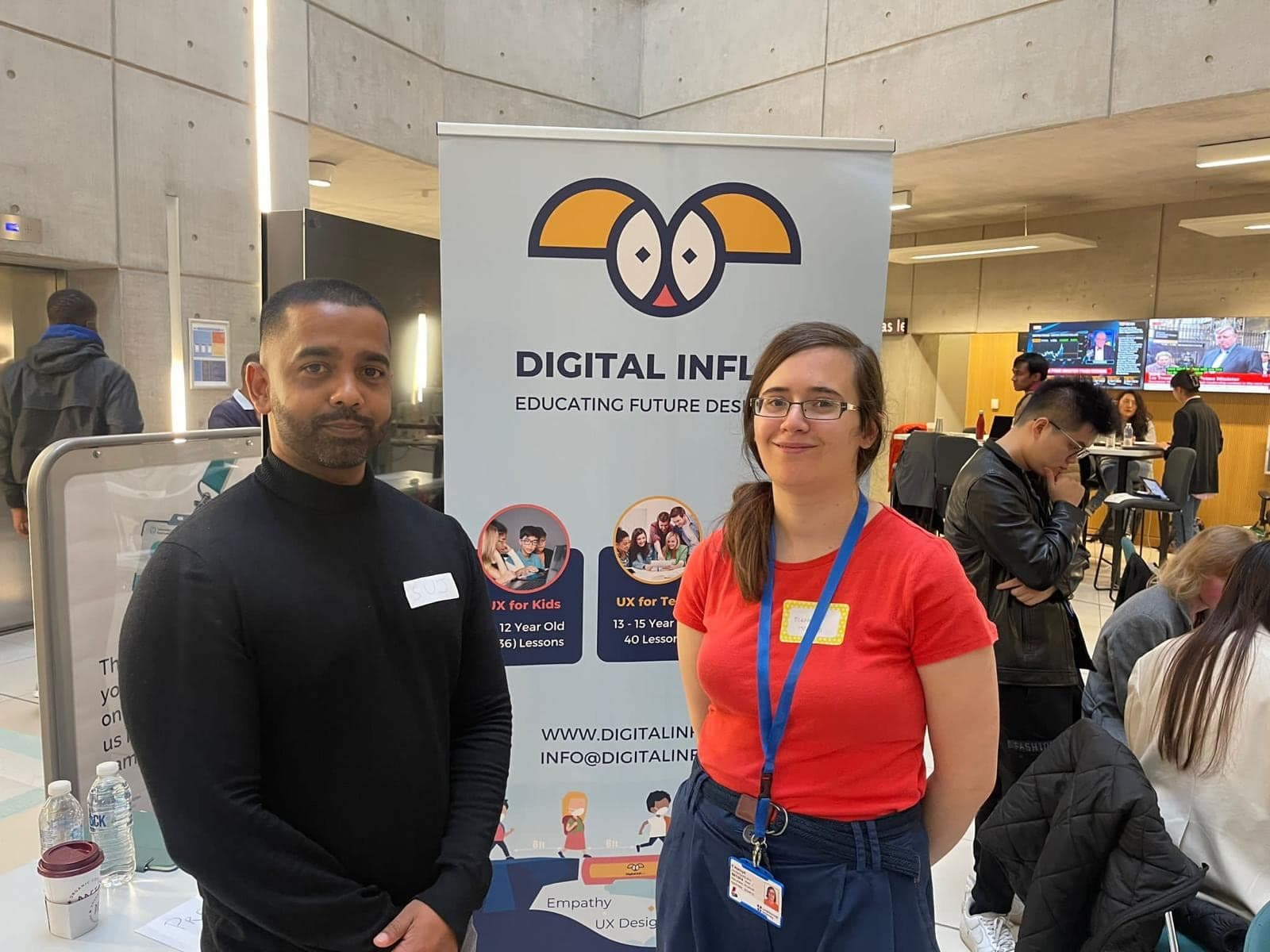
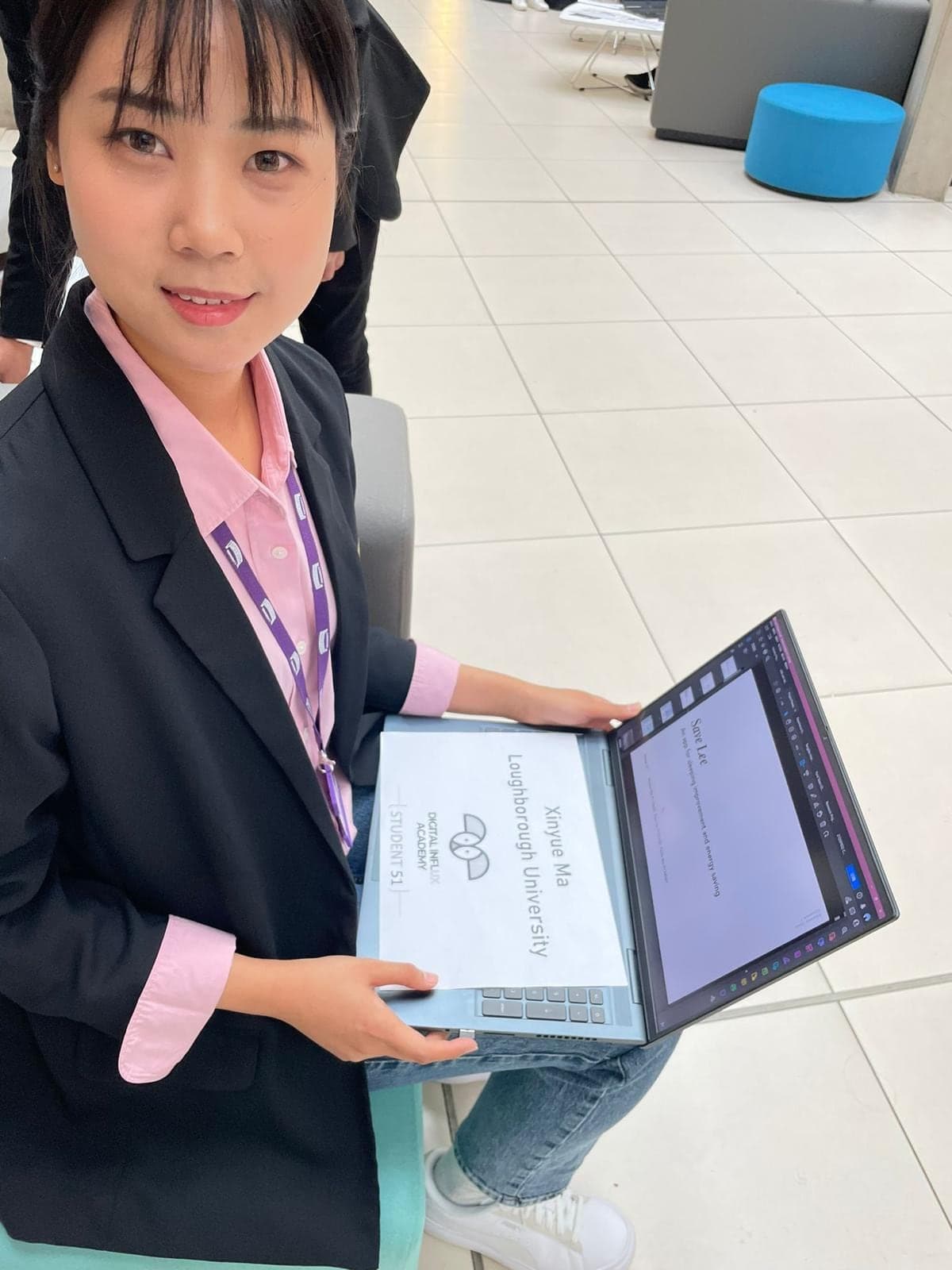
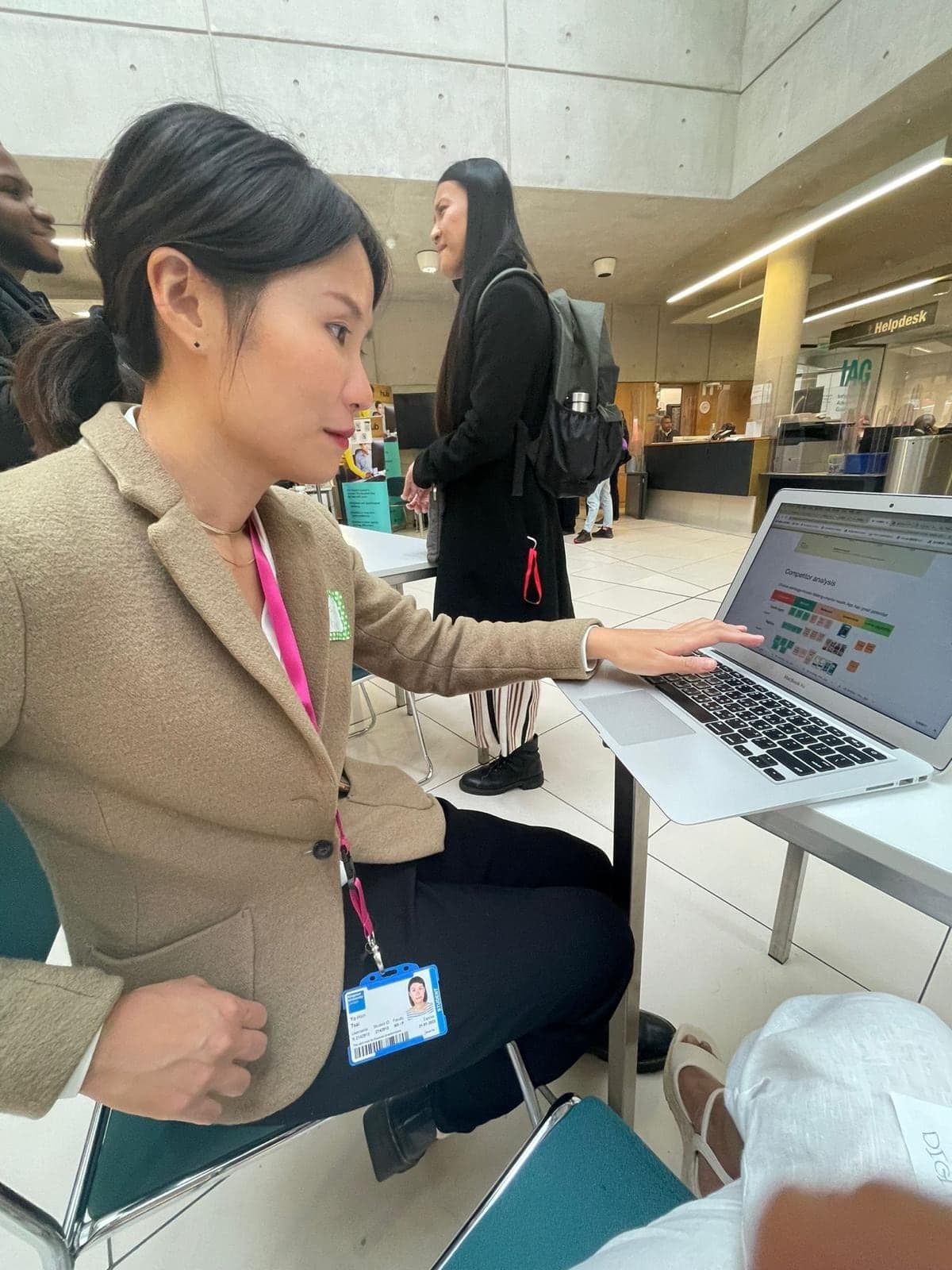
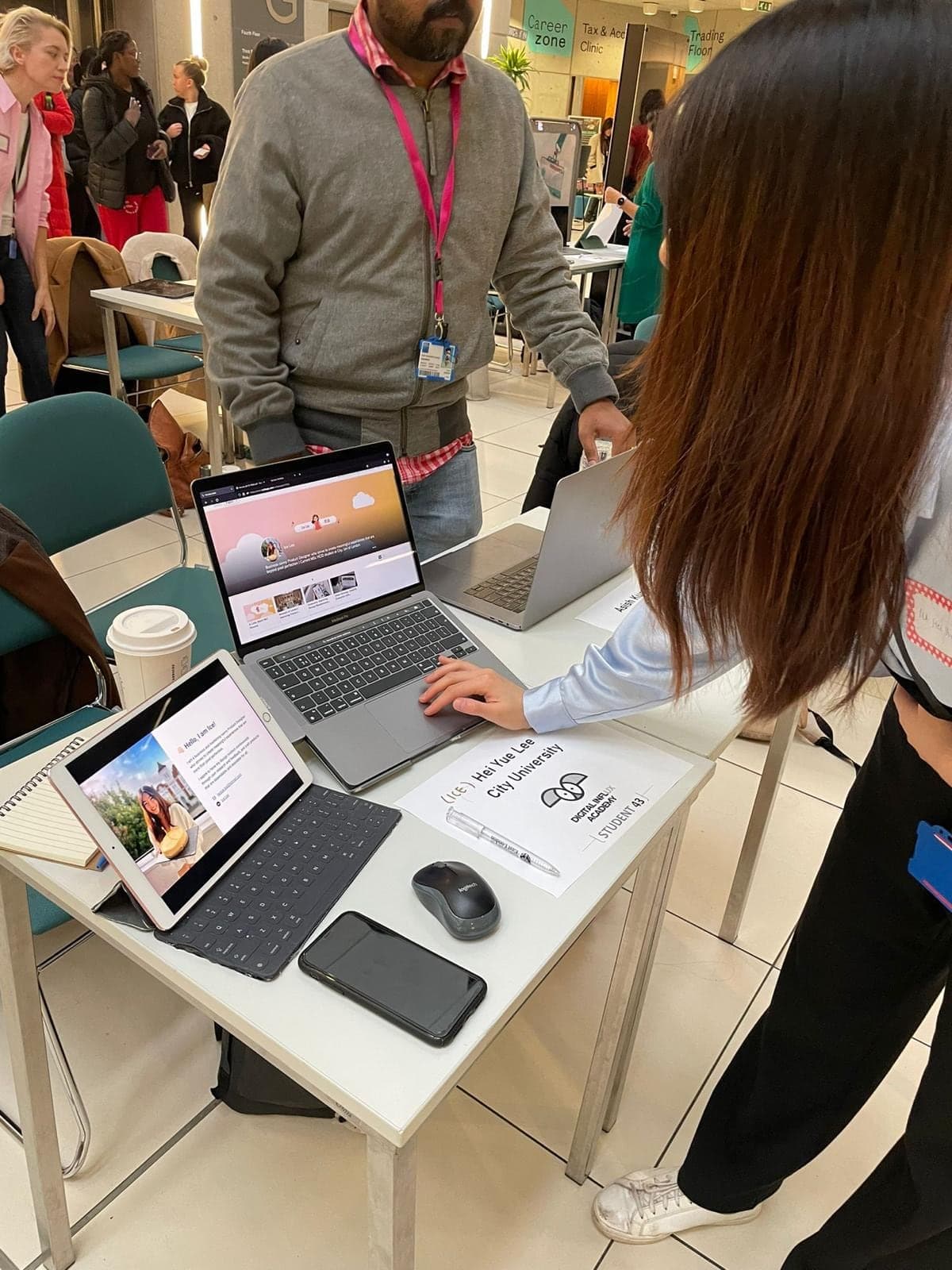
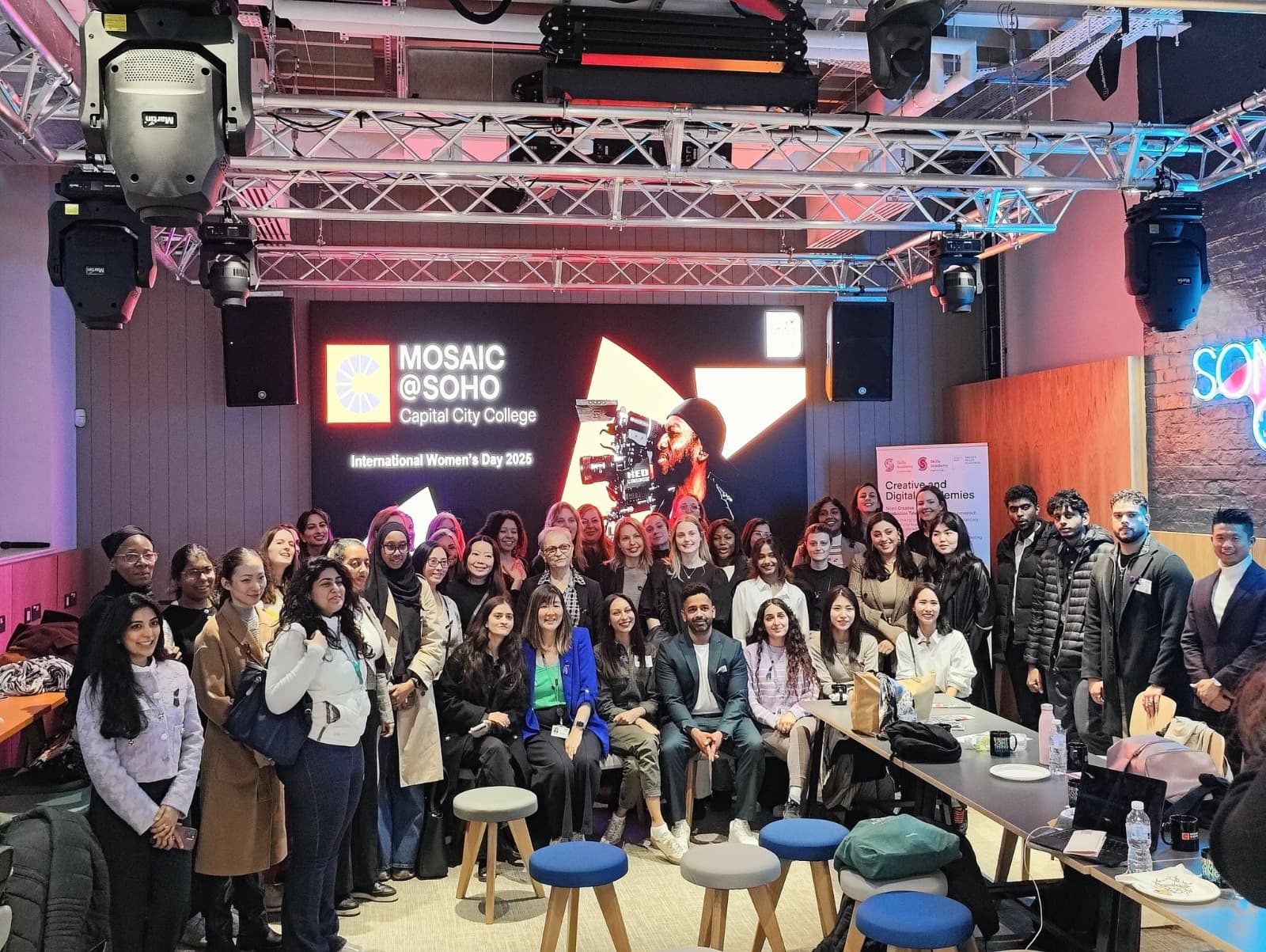
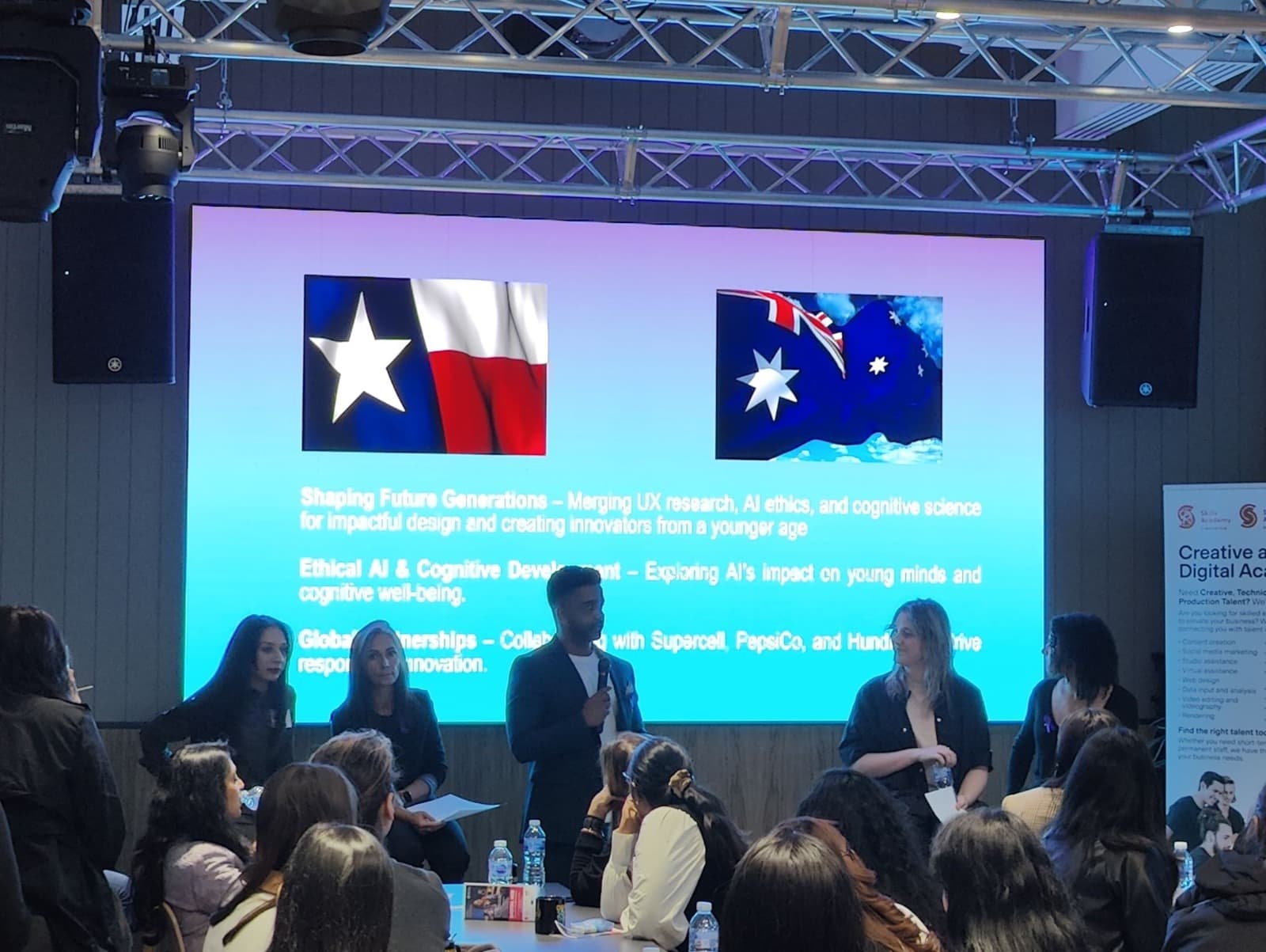

Every photograph carries an event caption.
Tell us about your students, curriculum and timetable.